Welcome to Franz Josef Glacier

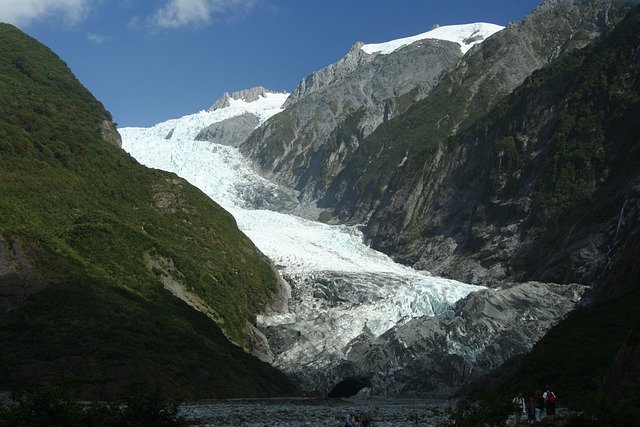
Franz Josef Glacier (Kā Roimata o Hine Hukatere in Māori) is one of the world's most extraordinary natural phenomena. Located in Westland Tai Poutini National Park on New Zealand's South Island, this glacier descends from the Southern Alps at 3,000 meters elevation down to just 300 meters above sea level, passing through pristine rainforest. This dramatic elevation change creates a unique ecosystem found nowhere else on Earth.

The glacier is one of only three glaciers in the world that descend from alpine peaks directly into temperate rainforest. This remarkable combination of ice and jungle makes Franz Josef a destination of unparalleled natural beauty and scientific interest. The glacier's accessibility and the variety of experiences it offers make it one of the most visited glaciers in the world.
Franz Josef Glacier View

Rich Cultural Heritage

Franz Josef Glacier Hiking

Māori Heritage

The area has been known to Māori for centuries, with the glacier holding deep cultural significance. The Māori name "Kā Roimata o Hine Hukatere" translates to "The Tears of Hine Hukatere," referring to a Māori legend about a young woman who wept for her lost lover, and her tears froze to form the glacier. This poetic name reflects the deep connection between the land and the indigenous people of New Zealand.

European Discovery

The glacier was first explored by European geologist Julius von Haast in 1865, who named it after the Austrian Emperor Franz Joseph I. Von Haast's expedition marked the beginning of scientific study of the glacier and helped bring international attention to this remarkable natural wonder. His work laid the foundation for understanding the glacier's geology and its significance in the broader context of New Zealand's alpine landscape.

Modern Conservation

Today, Franz Josef Glacier is protected within Westland Tai Poutini National Park, which was established in 1960. The park encompasses 1,175 square kilometers of pristine wilderness, including the glacier, rainforests, and alpine terrain. Conservation efforts focus on preserving this unique ecosystem while allowing sustainable tourism that enables visitors to experience and appreciate the glacier's majesty.

Unique Geography & Climate

Dramatic Elevation Change

Franz Josef Glacier descends 2,700 meters in just 14 kilometers, creating one of the steepest glacier gradients in the world. This dramatic elevation change means visitors can experience alpine conditions at the glacier's source and temperate rainforest at its terminus in a single day.

Rainforest Ecosystem

The unique combination of glacier and rainforest creates a biodiversity hotspot. Native beech forests, ferns, and mosses thrive in the cool, wet climate. This ecosystem is home to native birds including the kea, New Zealand's alpine parrot, and the fantail.

West Coast Climate

The West Coast receives some of New Zealand's highest rainfall, with up to 5 meters annually in some areas. This abundant precipitation feeds the glacier and maintains the lush rainforest, creating the dramatic landscape that makes Franz Josef so special.

Glacial Dynamics - Rapid Retreat

Franz Josef Glacier is experiencing rapid retreat due to climate change. The glacier has lost nearly 1 kilometer in just seven years. This dramatic change demonstrates the urgent impacts of global warming on alpine environments. Witnessing these changes firsthand provides a powerful perspective on climate change and the importance of experiencing natural wonders while they still exist.

Glacial Geology & Formation

How Franz Josef Glacier Formed

Franz Josef Glacier formed during the last ice age when temperatures were significantly lower than today. As snow accumulated in the Southern Alps, it compressed into ice, which flowed downward under its own weight, carving the valley it occupies today. The glacier has advanced and retreated many times throughout history, with its current extent representing the balance between snowfall in the accumulation zone and melting in the ablation zone.

Glacial Features

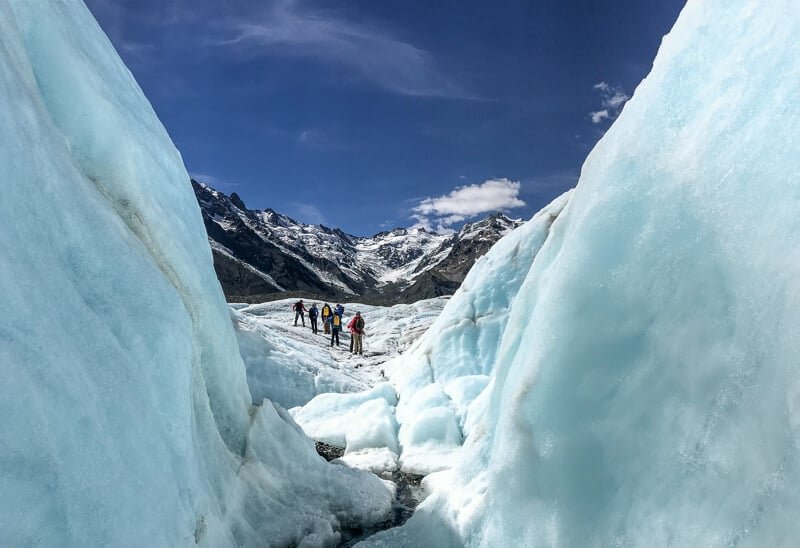
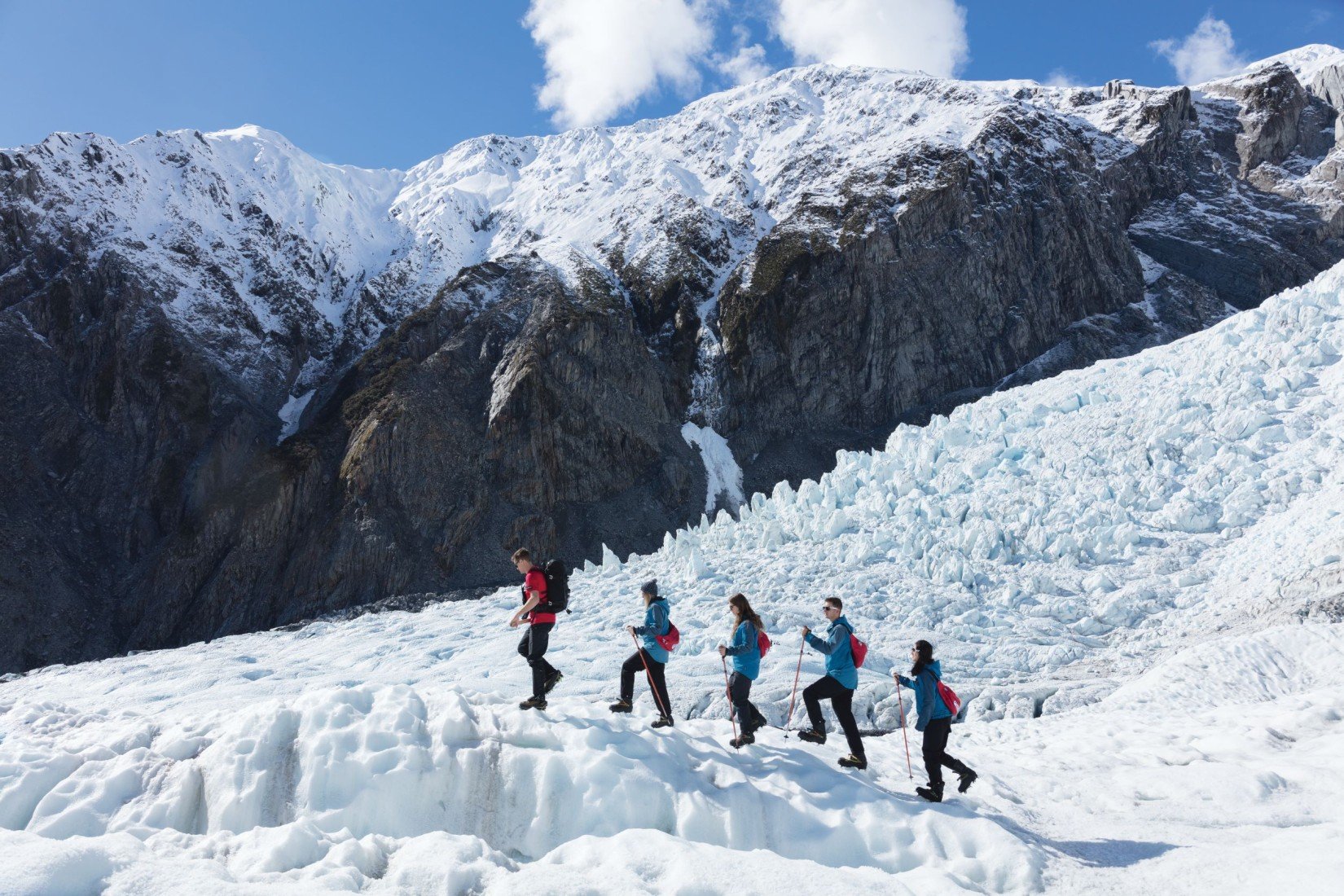
The glacier displays many classic glacial features including crevasses (deep cracks in the ice), seracs (towering ice blocks), and meltwater streams. These features are constantly changing as the glacier moves and responds to temperature fluctuations. Visitors on guided glacier walks can observe these features up close and learn about glacial processes from expert guides.

Climate Change Impacts - Experience It Now

Franz Josef Glacier is retreating rapidly due to climate change. In just seven years, the glacier has retreated nearly 1 kilometer. New Zealand's glaciers have already lost 29% of their total ice mass. This is a critical moment in time - the glacier you see today may not exist in a decade. Every year brings further retreat and change. This is your opportunity to witness and experience this magnificent natural wonder before it disappears forever. Book your helicopter experience now to see the glacier at its most spectacular.

Glacier Ice Formations

Flora & Fauna

Native Birds

The Franz Josef area is home to numerous native bird species including the iconic kea (alpine parrot), fantails, and tuis. Birdwatchers will delight in spotting these unique species in their natural habitat during rainforest walks.

Beech Forests

Ancient beech forests dominate the landscape around the glacier. These native trees have survived for millennia, creating a cathedral-like forest environment. The forest floor is carpeted with ferns, mosses, and lichens, creating a lush, verdant landscape.

Alpine Plants

Higher elevations support alpine vegetation adapted to harsh conditions. These hardy plants include alpine flowers, grasses, and shrubs that have evolved to survive in the cool, windy alpine environment.

Aquatic Life

Pristine alpine lakes and streams support native fish species and aquatic invertebrates. These waters are cold and clear, reflecting the surrounding peaks and creating stunning scenic views.

Best Time to Visit

Year-Round Destination

Franz Josef Glacier is accessible year-round, with each season offering unique experiences. Summer (December-February) provides the longest daylight hours and most stable weather, ideal for glacier hiking and outdoor activities. Autumn (March-May) offers mild temperatures and fewer crowds. Winter (June-August) brings snow to higher elevations and dramatic weather, while spring (September-November) showcases wildflowers and active waterfalls.

Summer (Dec-Feb)

Warmest season with longest daylight. Perfect for glacier hiking, scenic flights, and rainforest walks. Book accommodations early as this is peak season.

Autumn (Mar-May)

Mild temperatures and fewer crowds. Excellent for hiking with comfortable conditions. Autumn colors add beauty to the rainforest.

Winter (Jun-Aug)

Cold and wet, with snow at higher elevations. Fewer tourists mean shorter tour queues. Dramatic weather creates stunning photography opportunities.

Spring (Sep-Nov)

Warming temperatures and increasing daylight. Wildflowers bloom and waterfalls are active. Moderate crowds and pleasant conditions.