In short
- It is wet: NIWA's 1981–2010 normal for Franz Josef is 5,751 mm of rain a year with 185 wet days (1 mm or more), so an average month brings nearly as much rain as London gets in a whole year. But rain often comes in bursts, and clear spells after a front can be brilliant.
- Driest months on average: July (352 mm, 13 wet days) and February (387 mm). Wettest: December (659 mm) and October (595 mm). Spring (September–November) has the most wet days.
- Best time for glacier flights and heli hikes: late summer to autumn (February–April) for warmth plus relatively settled weather, and winter (June–August) for clear, frosty, crowd-free days. Whatever the month, stay two nights and book early in the morning.
- Temperatures are mild for the latitude: summer afternoons typically reach 18–22 °C, and winter nights fall to 1–6 °C in the lowlands. On the ice it is always colder.
- Pack waterproofs, warm layers, sunglasses, sunscreen and insect repellent. Sandflies are part of the West Coast experience.
Why it rains so much
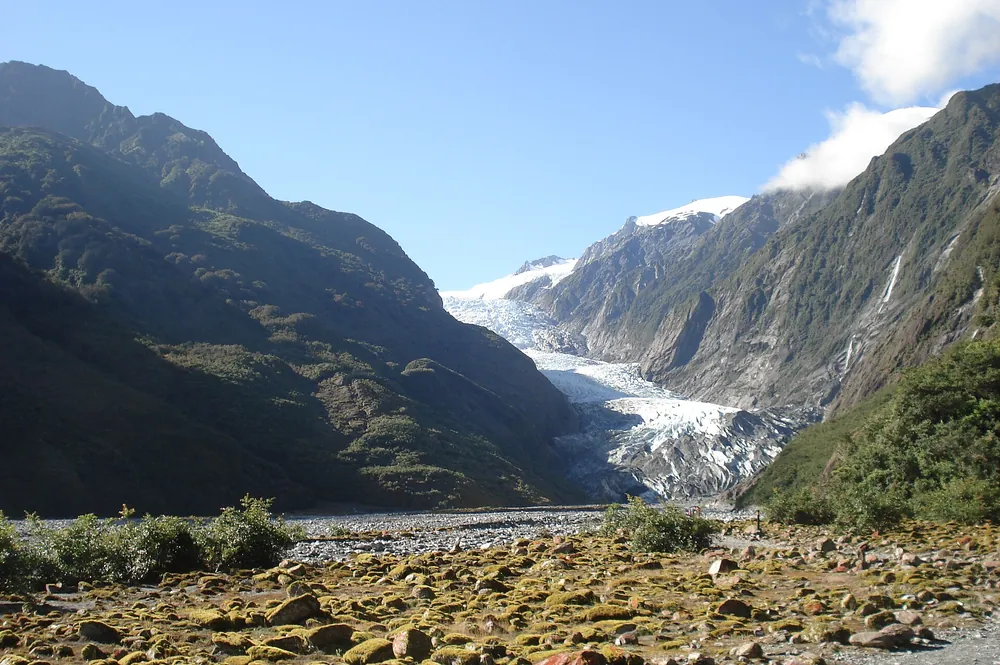
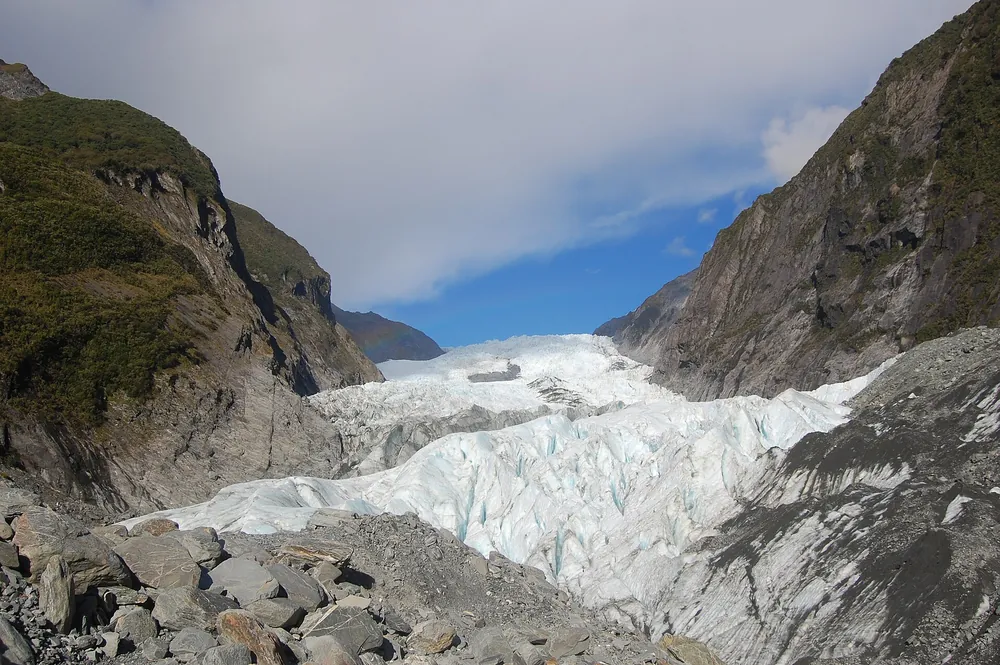
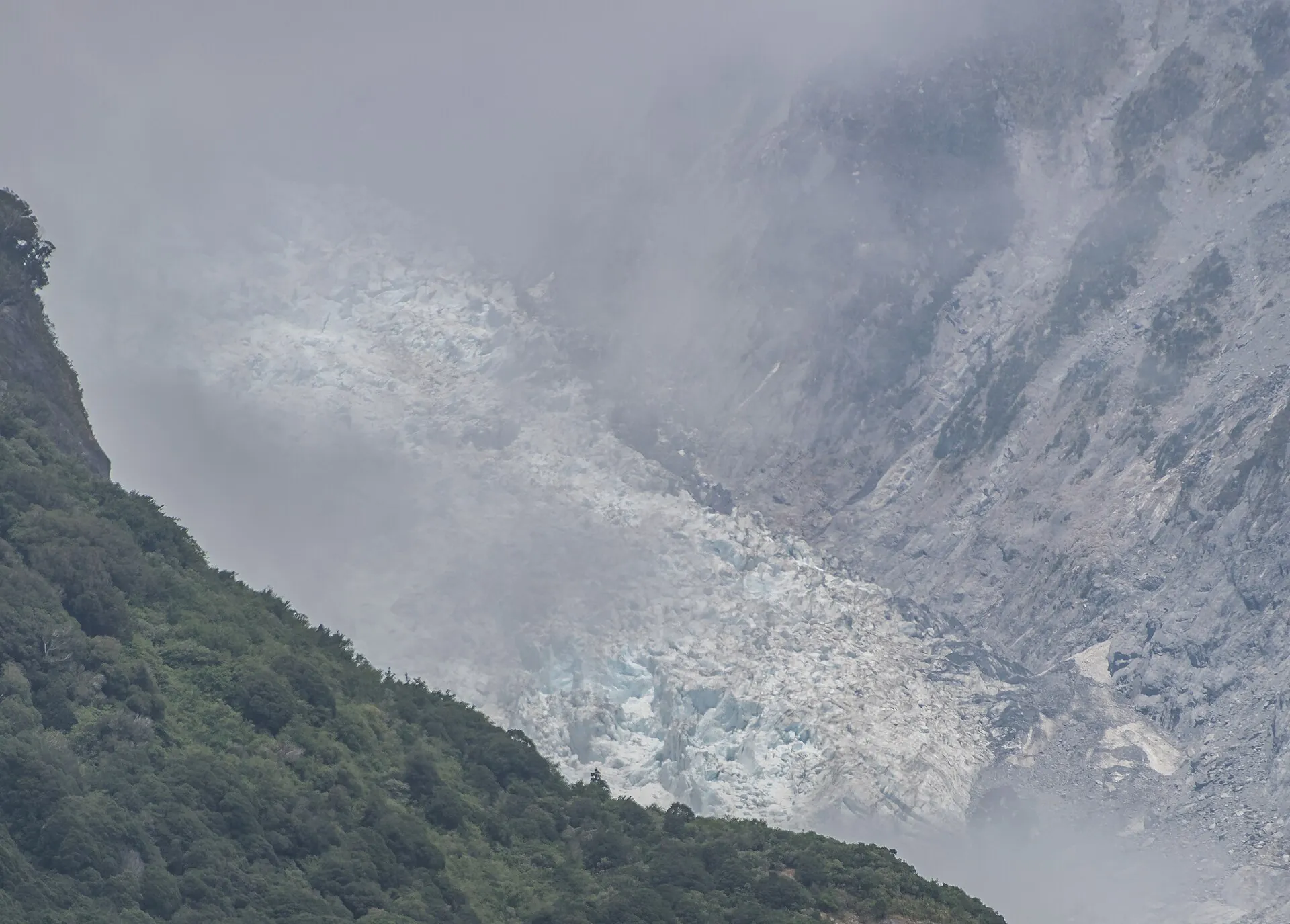
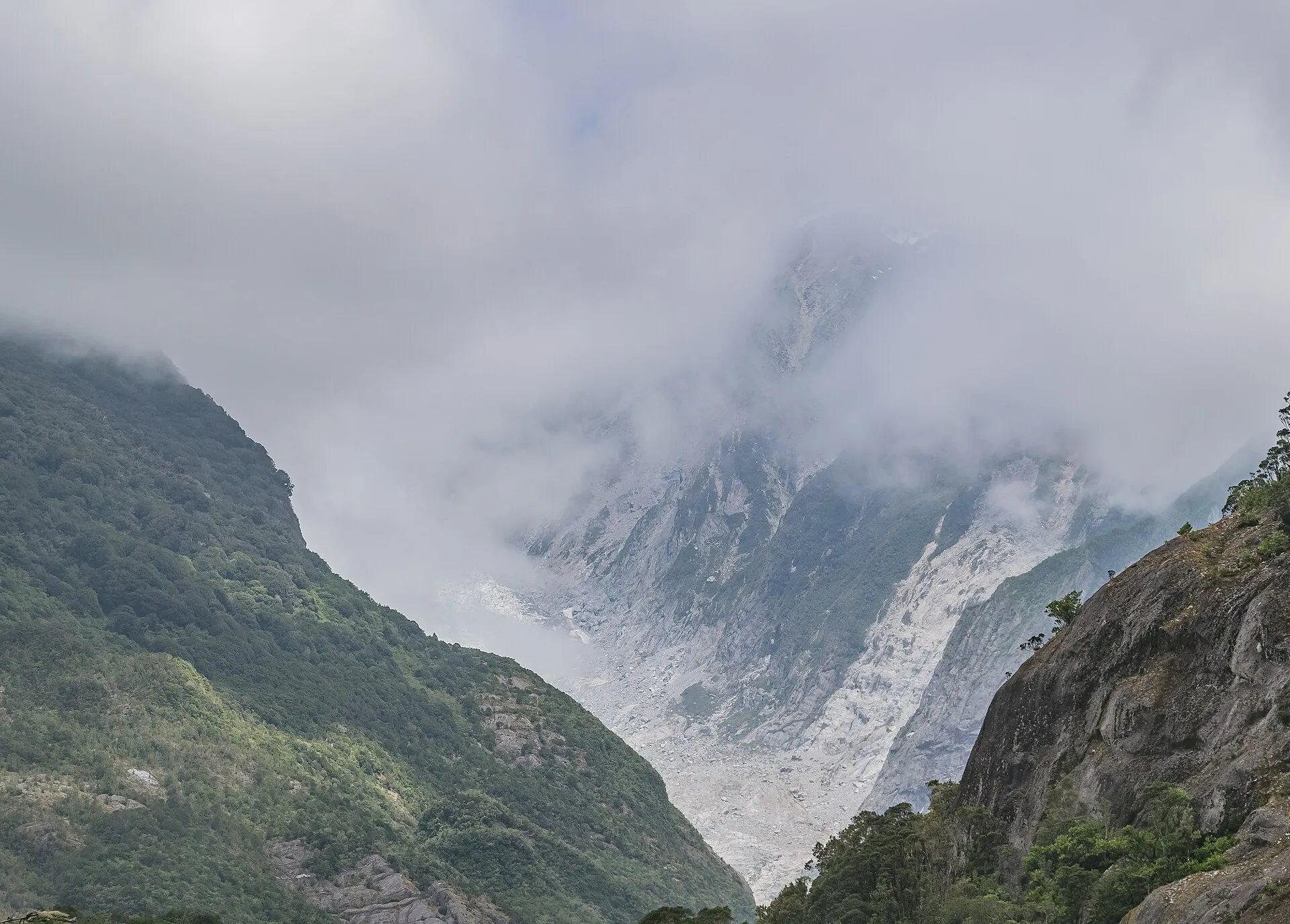
Franz Josef lies in the path of the prevailing westerlies. Air picks up moisture over the Tasman Sea and is forced up by the Southern Alps, which rise to more than 3,000 m within about 30 km of the coast. As it rises it cools and drops its water. Near the Main Divide precipitation can exceed 10 m a year, much of it falling as snow on the glacier névés. That snow is what feeds Franz Josef and Fox, and why they reach so low into the rainforest. In other words, the rain is the reason the glaciers exist.
The same mountains mean that weather changes fast. A sunny morning can turn to heavy rain in hours, and a stormy night can clear to a perfect blue dawn. Heavy rain also brings real hazards: glacial rivers rise within minutes, and roads and tracks occasionally close. DOC advises checking the forecast and track conditions at the visitor centre before you go out.
Franz Josef climate by month
The figures below are NIWA's official 1981–2010 normals for the Franz Josef climate station, the most recent published long-term record. A "wet day" has at least 1 mm of rain. Crowd and glacier notes are our own.
| Month | Rain (mm) | Wet days | Season notes | Glacier & flying |
|---|---|---|---|---|
| Jan | 567 | 14 | Peak summer, long days, warmest | Most departures; book ahead |
| Feb | 387 | 14 | One of the driest months | Good odds, still busy |
| Mar | 473 | 13 | Autumn begins; settled spells | Good odds, fewer crowds |
| Apr | 407 | 14 | Crisp mornings, autumn light | Good odds, quiet |
| May | 446 | 15 | Cooler; first snow low on peaks | Shorter days |
| Jun | 451 | 15 | Winter; frosty clear spells | Fresh snow; short days |
| Jul | 352 | 13 | Least rain of the year | Often clear and still |
| Aug | 422 | 16 | Late winter; days lengthen | Snowy névé, quiet |
| Sep | 505 | 18 | Spring; more frequent fronts | Changeable |
| Oct | 595 | 19 | Wettest spring month | Changeable; keep spare days |
| Nov | 487 | 16 | Late spring, greening forest | Changeable; busier |
| Dec | 659 | 18 | Wettest month; rātā flowers | Busy; book early |
What weather means for flights and heli hikes
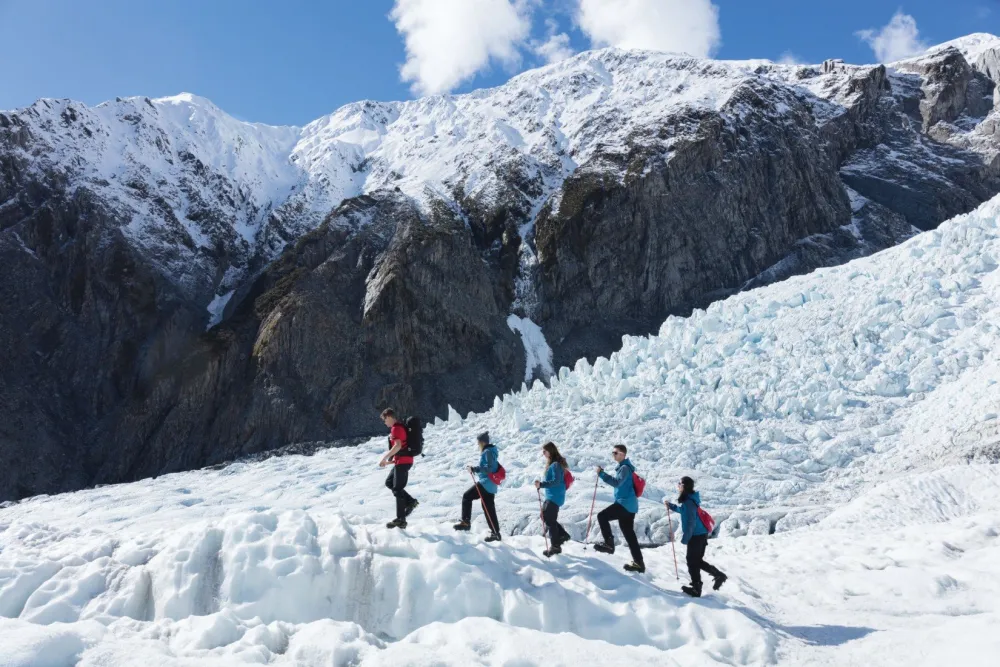
Helicopters need cloud-free air at the landing site, and heli hikes need a longer window. Franz Josef Glacier Guides asks for about four hours of clear weather before running its heli hike. No operator publishes its cancellation rate, but the pattern is clear from the climate. In wet months several days in a row can be grounded; in settled spells, flights run all day.
- Book the first departure of the day. Morning air is usually calmer and clearer, and you keep later slots as back-up.
- Stay two nights (three if the glacier is the main reason for your trip).
- Stay flexible. Ask to be called if a slot opens. Operators often add flights when a window appears.
- Try Fox. Fox Glacier Guiding lands at different altitudes and sometimes flies when Franz Josef cannot, and vice versa.
- Check refund terms. Weather cancellations are refunded by the operators and by GetYourGuide.
Forecasts: MetService and NIWA both publish mountain and national-park forecasts. The local DOC visitor centre posts the outlook each day.
Seasons: when to go
Summer (December–February): long evenings, the warmest temperatures and the most flights and tours, but also the most visitors and the wettest month (December). Book accommodation and heli hikes early. Southern rātā flowers red across the forest in summer.
Autumn (March–May): often the sweet spot, with more settled weather, cooler crisp mornings, golden light and far fewer people. Snow starts to dust the peaks.
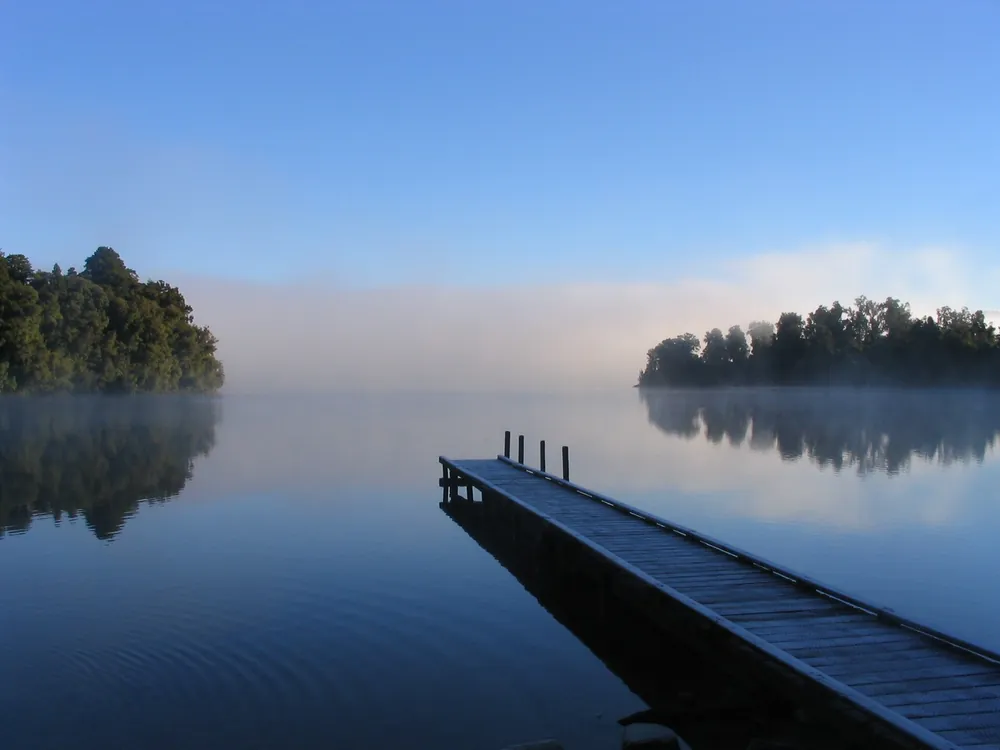
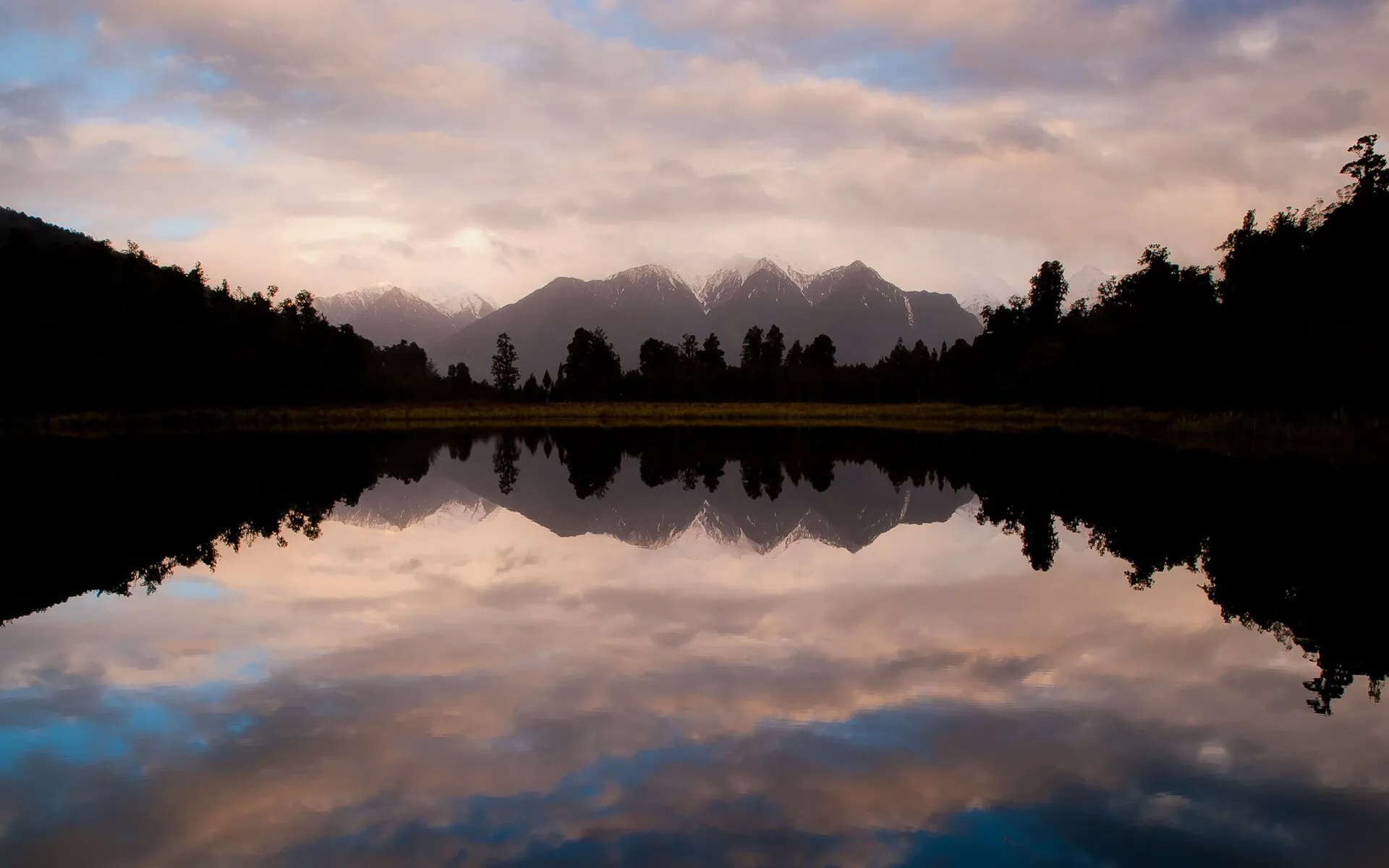
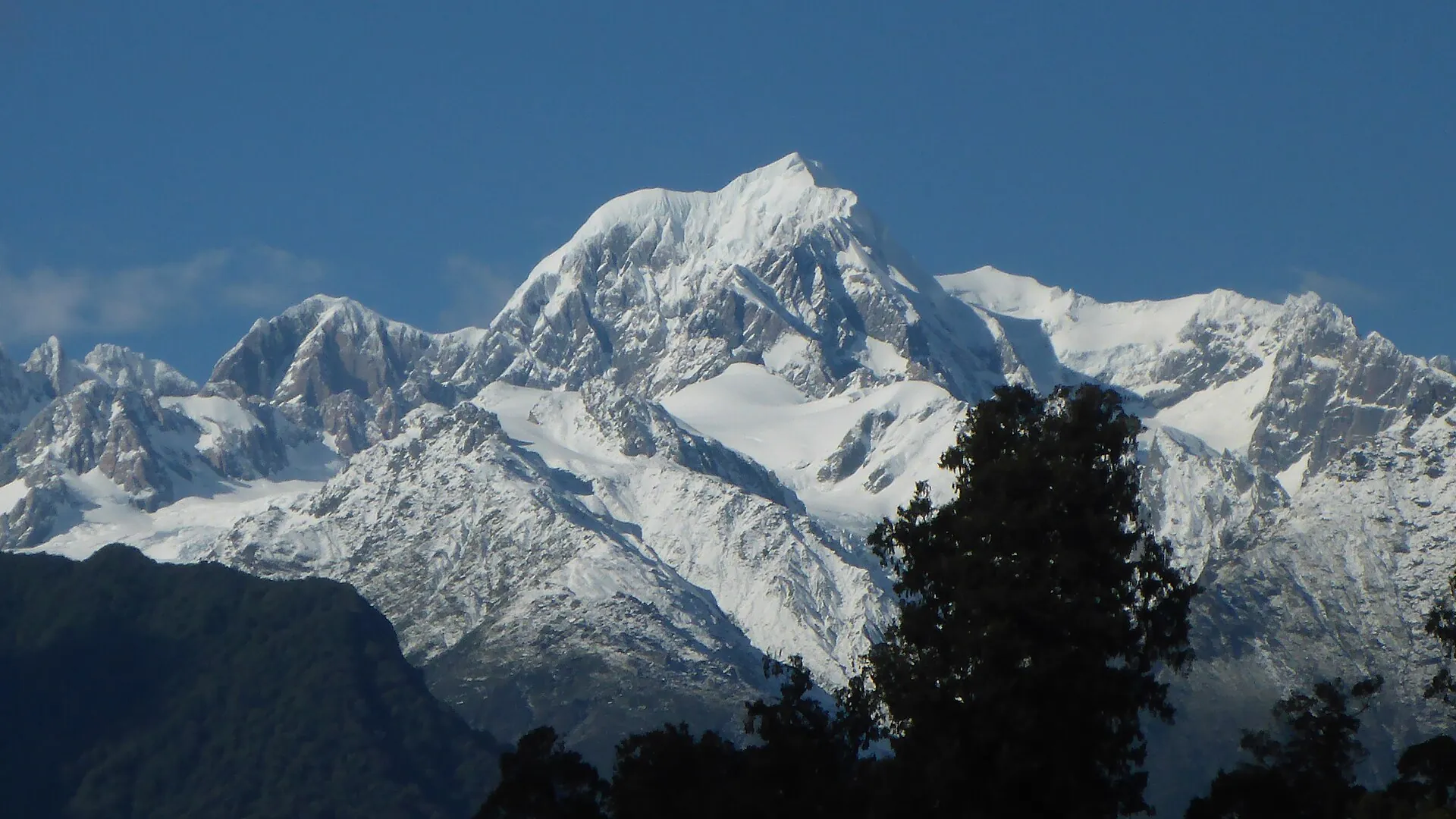
Winter (June–August): underrated. July has the least rain of the year, high-pressure systems bring cold, crystal-clear days, the mountains are white to their bases, and Lake Matheson's reflections are at their best. Days are short, some tours run fewer departures, and frost and ice can affect roads and passes (carry chains if crossing Haast or Arthur's Pass in snow).
Spring (September–November): the most changeable season, with the most wet days (October: 19) and strong westerly fronts. Waterfalls are at their best, the forest is lush, and kōtuku (white herons) nest at Whataroa from mid-September.
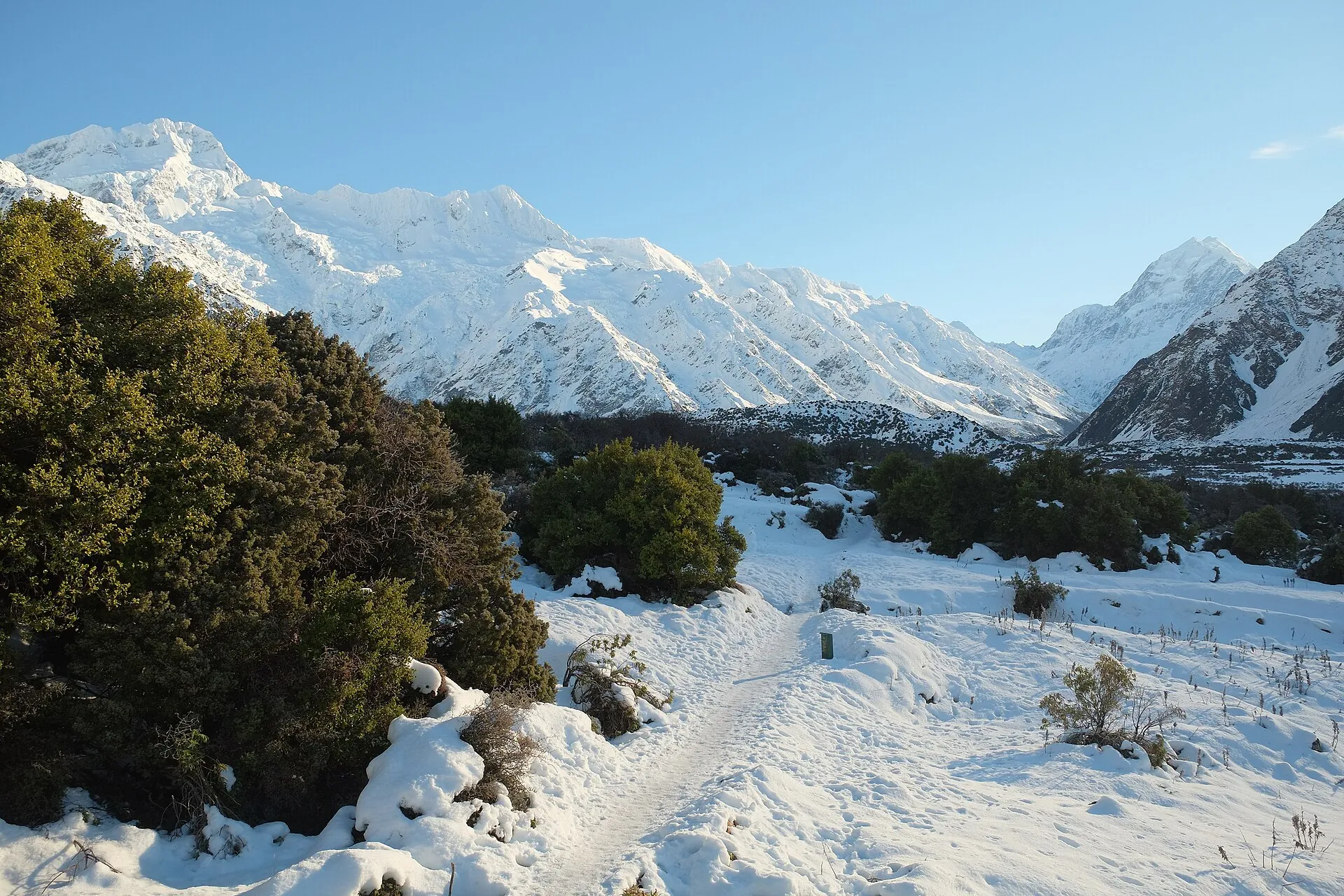
Winter brings snow low on the ranges and some of the clearest days of the year.
What to pack
- A proper waterproof jacket (and overtrousers if you plan to walk much).
- Warm layers: merino or fleece. Even in summer it is cold on the névé and in the glacier valley's down-draught.
- Sunglasses and sunscreen: UV is strong in New Zealand, and snow and ice reflect it.
- Insect repellent: see below.
- Sturdy shoes for the walks; heli-hike boots are provided.
- A dry bag or zip-lock for your phone on wet walks.
Sandflies: the West Coast's tiny tax
Sandflies (namu) are small black biting flies found throughout the West Coast, especially near water and on calm, overcast days around dawn and dusk. Lake Matheson, Gillespies Beach, Ōkārito and the riverbanks are notorious. They are not dangerous, but the bites itch for days. Use a repellent containing DEET or picaridin, wear long sleeves and trousers at dusk, keep car and campervan doors shut, and keep moving: they find you when you stand still. Māori tradition says the goddess Hinenuitepō released them so people would not linger too long in the beauty of Fiordland and the West Coast.
Rainy day? Here is the plan
Rain cancels flights, not the trip. Visit the West Coast Wildlife Centre (kiwi, tuatara, little blue penguins), soak in the Waiho Hot Tubs, ride quad bikes, join a guided rainforest walk, or walk Peters Pool and Lake Wombat, which are beautiful in mist. Then keep checking the sky: fronts often clear within hours. Ideas and bookings in activities and hot pools.
Frequently asked questions
How much does it rain in Franz Josef?
About 5,751 mm a year on NIWA's 1981–2010 normals, with 185 wet days (1 mm or more). Rain comes in heavy bursts, with clear spells in between.
What is the best month to visit Franz Josef?
February to April for warmth plus relatively settled weather, or July for the least rain and clear winter days. Avoid relying on a single day in any month.
Is winter a good time to visit Franz Josef?
Yes. July is the driest month on average, the mountains are snowy, crowds are small, and flights and heli hikes run year-round, weather permitting. Days are short and it is cold.
How often are glacier flights cancelled?
Operators do not publish figures. Cancellations are common on wet days, but with two nights and early bookings most visitors get a window.
How cold is it on the glacier?
Colder than the village. Expect around freezing on the névé during snow landings, and a cold wind off the ice on heli hikes, even in summer.
Are there sandflies in Franz Josef?
Yes, as on the whole West Coast. Bring repellent, especially for Lake Matheson, Ōkārito and Gillespies Beach.
Sources and official information
Facts were checked against these official sources in November 2026. Opening hours, prices and timetables change, so confirm before you go.
FranzJosef.com is an independent guide, not the official site of any glacier operator, the Department of Conservation or the Westland District Council. Some links are affiliate links: tours go to GetYourGuide and hotels go to Booking.com, and we may earn a commission at no extra cost to you.